
1 Peter 2: A chosen people, royal priesthood, holy nation
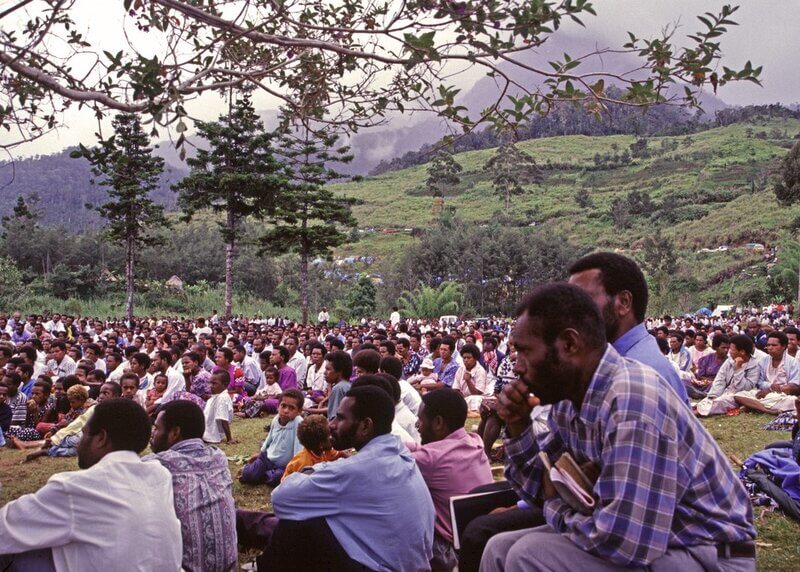
From the beginning, God’s plan was to have a people to call his own. They would worship him and hold him in awe. As his children, they would obey his commands, shine his light, and spread the knowledge of him to the rest of the world. In his first epistle, the apostle Peter wrote eloquently to the Christian church, describing it as a temple, a people, a priesthood, and a nation. Each of these expresses a role that God has given to the church, the body of Christ, to fulfill his plan.
God’s temple
Included in God’s plan was a temple in which his glory would be revealed and where they would worship him. On Mount Sinai, God showed Moses a heavenly temple and commanded the Israelites to construct a physical temple according to the pattern of that temple. Two temples were constructed in Jerusalem during Israel’s history. Both were destroyed, Solomon’s temple by the Babylonians in 589 B.C. and the second temple by the Romans in 70 A.D. But these events demonstrate that God’s ultimate plan was much larger than just a physical structure.
God’s larger plan was that his people worship in a permanent heavenly temple in the presence of the angels and of God himself. In 1 Peter 2, Peter revealed how God would construct his heavenly temple:
As you come to him, the living Stone—rejected by humans but chosen by God and precious to him— you also, like living stones, are being built into a spiritual house to be a holy priesthood, offering spiritual sacrifices acceptable to God through Jesus Christ. For in Scripture it says: “See, I lay a stone in Zion, a chosen and precious cornerstone, and the one who trusts in him will never be put to shame.” (1 Peter 2:4-6)
Living stones
God is now building this heavenly temple to reflect his glory, a spiritual house where he dwells. Peter quotes the messianic prophecy from Isaiah 28:16 to highlight the temple’s construction, where God’s Messiah is the foundation of the building. Christ is God’s chosen Messiah, chosen before the creation of the world (1 Peter 1:20). He is now the most important component of the temple, the “cornerstone” or the main foundation stone. He is also a living stone in that he is alive forever and now the source of life for all who believe in him.
Individual believers in Christ are also the living stones God is using to complete the temple, alive with the life of Christ. These stones comprise the walls of the building, resting on the foundation. But the building Peter is describing is constructed using all of God’s people, from Old Testament times to the present, both Jews and Gentiles. In Scripture this would be termed the “household of God” (Ephesians 2:19).
Spiritual sacrifices
In addition to being built into a house of worship, believers are also the priests who serve in that house. They offer their worship as “spiritual sacrifices acceptable to God.” Their worship fills the building, their praise resounding and giving everyone present an experience of heaven. Their praise of God also resonates outward from the temple so that others who don’t know the Lord Jesus can hear. And as they obey the command to disciple the nations, their praise echoes even to the farthest reaches of the world.
Israel, God’s chosen nation
As recorded in Exodus, God chose the nation of Israel to represent him among all the nations. His selection wasn’t based on their great number or their godliness. It was based on his mercy (Exodus 33:19) and his faithfulness to keep his word (Deuteronomy 7:7-9). As he told the people:
‘…. you will be for me a kingdom of priests and a holy nation.’ These are the words you are to speak to the Israelites. (Exodus 19:6)
You are to be holy to me because I, the Lord, am holy, and I have set you apart from the nations to be my own. (Leviticus 20:26)
Israel to be holy unto the Lord
Moses restated this promise to the people:
For you are a people holy to the Lord your God. The Lord your God has chosen you out of all the peoples on the face of the earth to be his people, his treasured possession. (Deuteronomy 7:6)
The Jewish nation was to be a light and a witness to the surrounding nations, a testimony of the greatness of the one true God. They were to proclaim his majesty and salvation to those around them. God’s chosen people were also to be holy, like the God they represented.
Israel’s disobedience
God established the Sinai covenant to formalize Israel’s obligation to him, but not all of the Israelites fulfilled their obligation. Even at the time the Israelites received the law of Moses, most rebelled against him and disobeyed his commands by worshipping the golden calf. Moses pleaded with the Lord to not destroy his chosen people (Exodus 32:9-14). But God promised Moses that only those who rebelled against him would he cut off from Israel and erase their names from his book (Exodus 32:33). Those who still worshipped the true God would not be cut off from Israel.
Within the nation of Israel, there was always a large number who rebelled against God, didn’t believe his Word, and disobeyed his commands. They rejected their responsibility and identity as his people. So, although they belonged to God’s chosen nation, individually they were not redeemed.
The church as God’s chosen people
Later in 1 Peter 2, Peter uses the Old Testament language identified with the Jewish nation to also apply to the church:
But you are a chosen people, a royal priesthood, a holy nation, God’s special possession, that you may declare the praises of him who called you out of darkness into his wonderful light. Once you were not a people, but now you are the people of God; once you had not received mercy, but now you have received mercy. (1 Peter 2:9-10)
Peter is using language taken right from the Old Testament. He was addressing the church of Christ in this letter, calling them the chosen people of God. Gentiles who at one time were not God’s people can now be called God’s people because of their faith in Christ. Once they had not received God’s forgiveness and mercy but now, they have, through Christ.
In the same way that Israel was God’s chosen and holy nation, Christ’s church today is God’s chosen and holy nation, not individually, but collectively. In other words, God chose a people for himself. These people are God’s special possession, sanctified to himself for his purposes. And all who put their faith in Christ become a member of the chosen people of God, his holy nation.
God’s Plan
As Paul states in Ephesians:
In him we were also chosen, having been predestined according to the plan of him who works out everything in conformity with the purpose of his will…. And you also were included in Christ when you heard the message of truth, the gospel of your salvation. When you believed, you were marked in him with a seal, the promised Holy Spirit…. (Ephesians 1:11, 13)
In God’s plan, one is “included in Christ,” becoming members of his body, through faith in Christ. Members are not chosen individually but chosen “in him,” in Christ. In other words, they become members of God’s chosen people and holy nation through faith in him, “according to the plan of him who works out everything” according to his will.
So, the New Testament term “chosen” has no meaning apart from a spiritual connection to Christ and his body, the church. Those who are united to God’s chosen Messiah join into God’s chosen people through him.
The approved plan
How does the concept of a chosen people relate to the temple metaphor? In this way:
Every building starts with a plan. For prominent structures, an architect designs it and draws up the plans. After the design for the building is finalized and approved, it becomes the plan. It’s what the designer has envisioned the building to look like and how it will function. And whoever constructs the building must construct it according to that approved plan.
In the temple metaphor Peter is affirming that the resulting building is God’s chosen design based on his predetermined plan in which Christ is the main structural component and central feature. All who are in Christ become a part of God’s plan, a stone in God’s temple, a member of Christ’s body.
The church as God’s holy nation
The “holy nation” of today includes all true believers, both Jew and Gentile. Those who believe in Christ join the elect of God and become a member of this nation and of the body of Christ.
It’s unfortunate that our modern “me” culture of today is almost entirely focused on the individual. And so, when people read these passages, they apply them to “me,” that I am chosen by God. But God’s people and nation have a corporate identity as one body of believers in Christ. As believers, we are one in the Spirit and one in the Lord and share in his identity together:
There is one body and one Spirit, just as you were called to one hope when you were called; one Lord, one faith, one baptism; one God and Father of all, who is over all and through all and in all. (Ephesians 4:4-6)
The church as a royal priesthood
Just as the Israelites were to be a “kingdom of priests,” God’s chosen people today are a royal priesthood. A priest is an intermediary between God and the people. They represent God to the people and represent the people before God.
In representing God to the people, God’s royal priests today bring his grace and truth to the world. Like the Israelites were to be to the other nations, they are his mouthpieces to those without the truth of God, shining his light so people can escape the kingdom of darkness and come into the light. They represent Christ to the world and encourage and persuade people to believe the gospel, be reconciled to God, and so inherit salvation.
I will also make you a light for the Gentiles, that my salvation may reach to the ends of the earth.” (Isaiah 49:6)
In representing people before God, believers also come before him and pray for the people they know and meet and with whom they share his Word. They pray for their blessing and well-being, both physical and spiritual. And they ask God to forgive their persecutors who sin against them.
The privilege of being a part of God’s plan
God has chosen a people for himself, all those who are united to Christ through their faith in him. From the beginning, this was God’s desire and plan. And what a privilege it is to be a part of that great plan!
We as believers are being built into a heavenly temple where God dwells, and where his praises resound! And he is now using us to bring the knowledge of him to the nations around us, that he might be glorified among all peoples.
See, darkness covers the earth and thick darkness is over the peoples, but the Lord rises upon you and his glory appears over you. Nations will come to your light, and kings to the brightness of your dawn. (Isaiah 60:2-3)
Christ in Scripture is listed on Feedspot Top 100 Christian Blogs.



1 thought on “1 Peter 2: A Chosen people, royal priesthood, holy nation”
Great article, Scott. I loved how you clearly broke down the identity of the “holy nation” as Jews and Gentiles, as those in Christ. You said, “Gentiles who at one time were not God’s people can now be called God’s people because of their faith in Christ. Once they had not received God’s forgiveness and mercy, but now they have, through Christ.” I would say that Gentiles were always a part of Israel, as the multitude from Egypt went forth, and Rahab and Ruth are mentioned in Jesus’ genealogy. I really appreciated this, especially after I just preached on the Temple of God for 9 weeks.