Featured
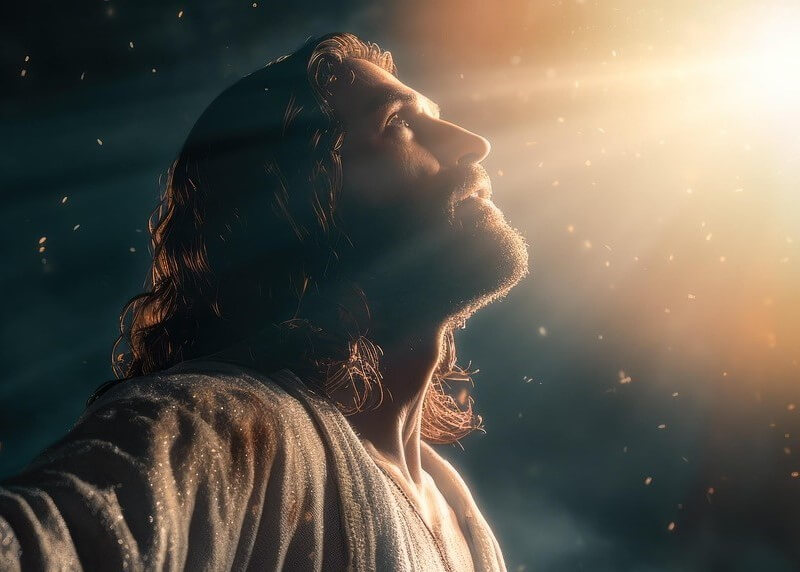
Seeing the radiant image of God in Jesus Christ
God is not a physical being, so how do we know what he is like? Is there an image that we can look at to see him? Yes, we find the true image of God in his Son Jesus Christ.

God is not a physical being, so how do we know what he is like? Is there an image that we can look at to see him? Yes, we find the true image of God in his Son Jesus Christ.

When most of us think of God, we don’t normally think of beauty, we think of sovereignty, power, and majesty. We mostly associate beauty with things of the earth and the heavens. But the Bible asserts that the Lord God is exceedingly beautiful, so in what way is that true?

Ritualistic religion and worldly religious philosophies were numerous in New Testament times. As the Christian church grew, these beliefs and practices started to infiltrate the church and misguide the believers. So, the apostle Paul wrote the churches to address this problem. What were these ideas, and do they exist today?

God has revealed many things to us, but there are also many things God has withheld that remain mysteries. But one mystery, that of the Messiah, has been fully revealed. So, if that’s true, what did Paul mean when he wrote about the “mystery of Christ?” And are there important truths about Christ in the Bible for which God intentionally withholds understanding?

The early Christian church fathers all acknowledged that some sins were greater than others. But within the last half century a popular belief has developed among Christians, that God sees all sins the same. But is this biblical? And how did this belief come about?
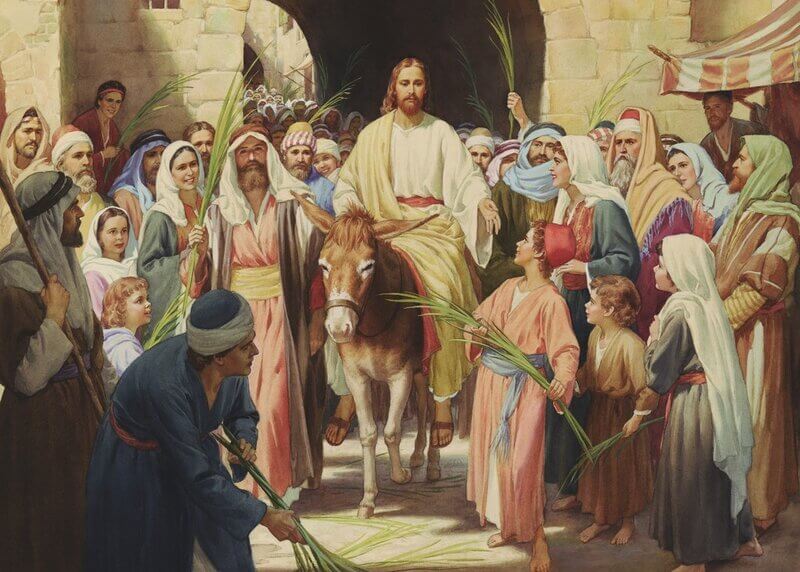
For centuries, God had promised a Messiah who would bring salvation and deliverance to the people. Toward the end of his public ministry, Jesus entered Jerusalem with his disciples to present himself as the humble King of the Jews, in fulfillment of those promises. His triumphal entry into Jerusalem was received well by many people but very poorly by others. Who were the people present that day and why did they respond the way they did?

Is there any evidence for the existence of God? If so, how can we find it? These questions, if asked and pursued sincerely, can lead one into a great body of knowledge and truth. I maintain there is strong evidence for God’s existence from logical, scientific and historical perspectives. If you are a skeptic or agnostic, my hope is that this article will persuade you.

Most of us know what patience is, even though we might not have much of it ourselves. We all really appreciate it when someone is patient with us. But for some reason we have a hard time remembering to be patient with others. Who is someone we can hold up as the supreme example of patience? Our Creator of course.

We all hate the word favoritism. And we resent those who are picked as favorites—in school, at work, or anywhere else. Why? Because we instinctively know that favoritism is unfair. The Bible teaches that God is impartial to all and that he shows no favoritism. So, if that’s true, why were the Israelites his “chosen people?” And how does this conform to the fact that only those who believe the gospel are saved?

Jesus had spent three years ministering to the people and training his disciples. Now the time had come for him to fulfill the main purpose for which he had come to earth: to sacrifice his life as payment for our sin. He would then rise again so that others could be raised to live with him. To prepare for his death, he arrived with his disciples at the Garden of Gethsemane to pray. During Jesus’ time in the garden, he faced the most difficult trial of his earthly life.