Featured
Offering ourselves as living sacrifices: Romans 12
In Romans chapter 12, the apostle Paul exhorts believers in Christ to offer their bodies as living sacrifices to God. What did he mean by this and how do we follow it?

In Romans chapter 12, the apostle Paul exhorts believers in Christ to offer their bodies as living sacrifices to God. What did he mean by this and how do we follow it?
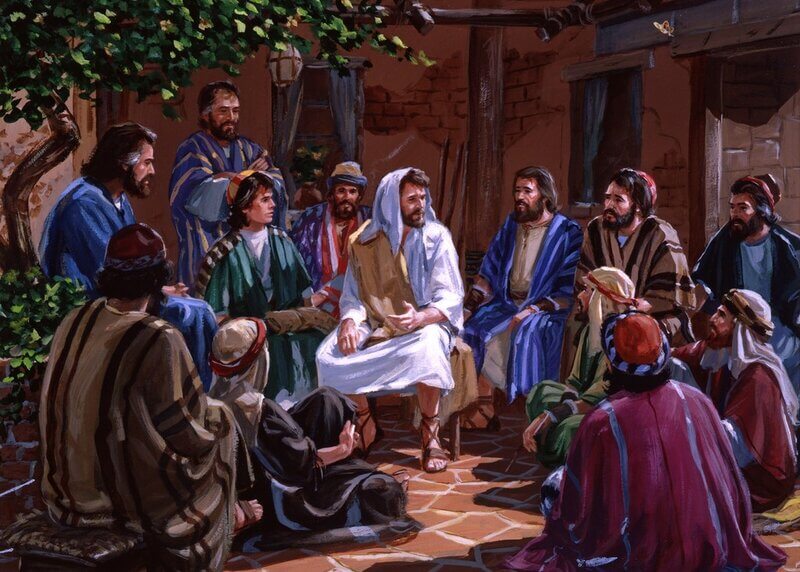
Many Bible passages address believing in Jesus and the doctrinal truths about salvation and forgiveness. Others, especially in the gospels, emphasize following Jesus as a disciple and obeying his commands. What is the relationship between believing and following? Can we believe in him without following him, or vice versa?
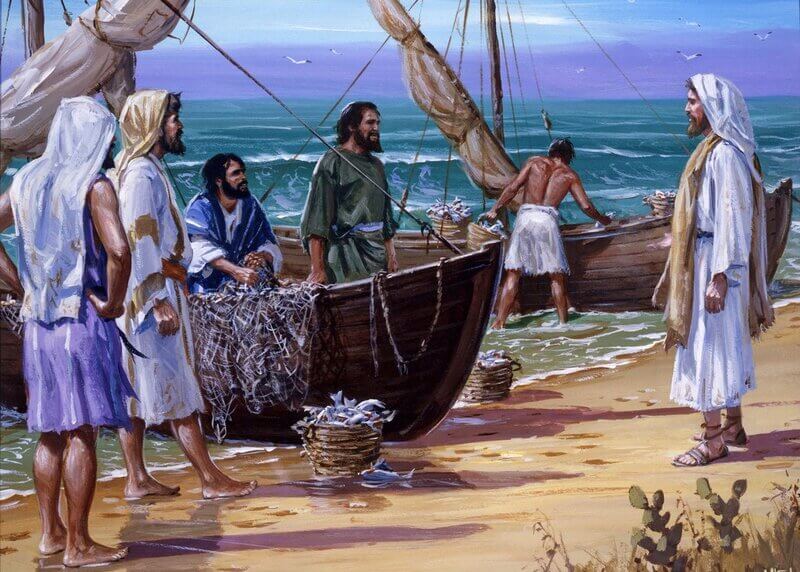
Since the beginning of his earthly ministry, Jesus called people to follow him as his disciples. What did it mean to be a disciple of Jesus then? And what does it mean to be his disciple today? Is it the same today for us as with the original disciples?
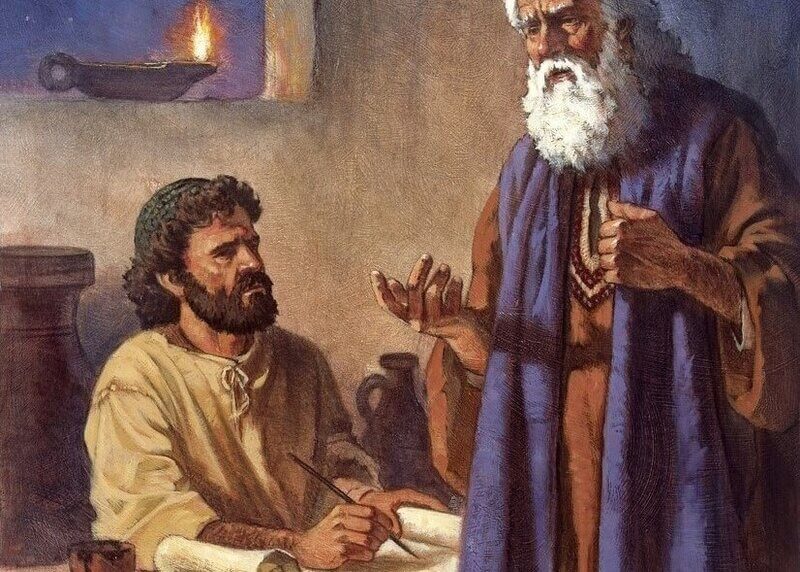
Serving God is one of the greatest privileges of the believer. We serve an awesome God, and the blessings are enormous. But it isn’t always easy. At times God’s servant can find that ministry can become a burden and personally unrewarding. The problems can seem much greater than the rewards. And serving God in humility is even more difficult, especially when conflicts or opposition come.

The apostle Paul’s sermon to the Athenians stands out as one of the great sermons in Scripture. Once a Pharisee, Paul now found himself preaching about the Savior to arrogant philosophers, idolaters, and the sexually immoral. These were people, who in his earlier life, he would have despised. But now he boldly reached out to them with the love and mercy of God.
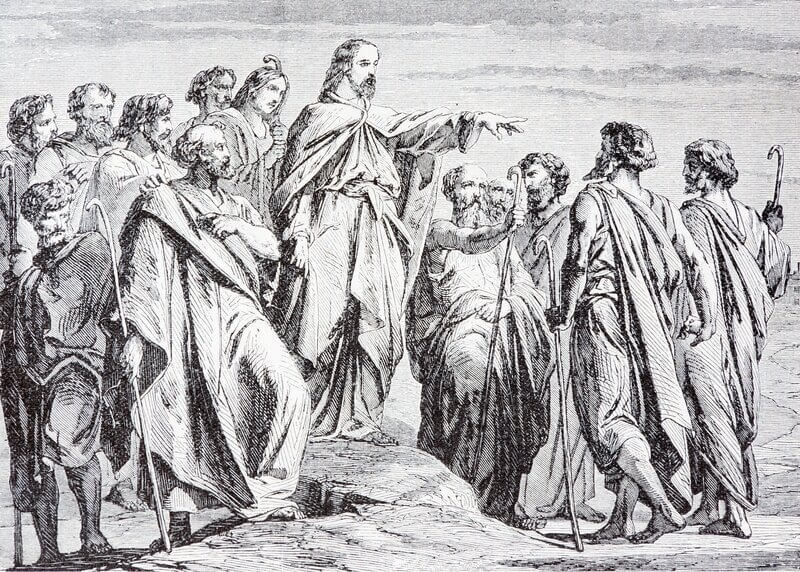
The world needs to know the truth of the gospel, that the Messiah—Jesus the Savior, the Son of God—has come. And they need to know who God is, what he is like, and what he has done to prove his love for us. But how can they know? By true Christian witness—by word and deed.

Many people wonder: Is God kind and compassionate, or angry and accusing? We all would like to think he is loving because we hear that he is. But does he really love us, or is this just an advertisement to get people to join a religion or a church? How do we really know? We know by looking at Jesus Christ, the One who is God in the flesh, and by Christ’s compassion for all he met.

Many people are confused about the causes of poverty. As humans, we have a tendency to prejudge people and the cause of their condition. The more liberal sector of society believes most poverty is caused by injustice. Many conservatives, and even some religious people, believe people are poor mostly because they’re irresponsible. But both Scripture and observation show there are many causes of poverty. Before we address solutions, we must understand the causes.

Approval from our peers is a powerful motivation for most people. We are social creatures, and the desire to be accepted by others is very strong.

I have been involved in ministering to the poor and to impoverished communities for most of my life. Having learned many lessons along the way, I want to share them with you.